
The Power of Environment
The environment in which individuals find themselves plays a pivotal role in shaping their behavior and emotions, especially in places like casinos. Designers meticulously curate these spaces to create an inviting atmosphere that encourages visitors to linger and spend more. Elements such as warm color schemes, luxurious textures, and strategically positioned lighting evoke feelings of excitement and comfort, making the experience not just about gaming but about immersing oneself in an appealing sensory landscape, including various betting sites that offer unique features and promotions. For instance, a striking chandelier can serve as a centerpiece, enhancing the ambiance and evoking a sense of opulence that elevates the entire casino experience.
Moreover, the layout of a casino is intricately designed to promote exploration and engagement. The arrangement of slot machines, gaming tables, and dining options is deliberate, creating a maze-like path that leads patrons through a series of thrilling encounters. By utilizing sightlines and sensory cues effectively, designers influence movement patterns, making it easy for guests to lose track of time. Soft background music, the sounds of spinning reels, and even enticing scents work in harmony to create an immersive environment, ensuring the energy remains high and the financial transactions continue to flow.
Additionally, designers incorporate concepts like “transitional spaces” to create a seamless flow between different areas of the casino. These spaces—often lounges or bars—act as buffers that allow patrons to take a breather from gaming, encouraging them to recharge before diving back into the action. By crafting an environment that invites guests to meander and explore, casinos transform mere physical spaces into captivating experiences, drawing visitors deeper into their allure and encouraging them to extend their stay.
Behavioral Triggers in Design
Psychological principles play an essential role in how people interact with their surroundings, particularly in casino settings. Designers exploit various behavioral triggers to influence gambling habits and spending patterns. For example, the use of bright, flashing lights combined with the sounds of coins cascading from machines creates a sense of urgency and excitement that compels players to make impulsive choices. These sensory triggers heighten anticipation and elevate heart rates, leading players to engage more deeply with the games available.
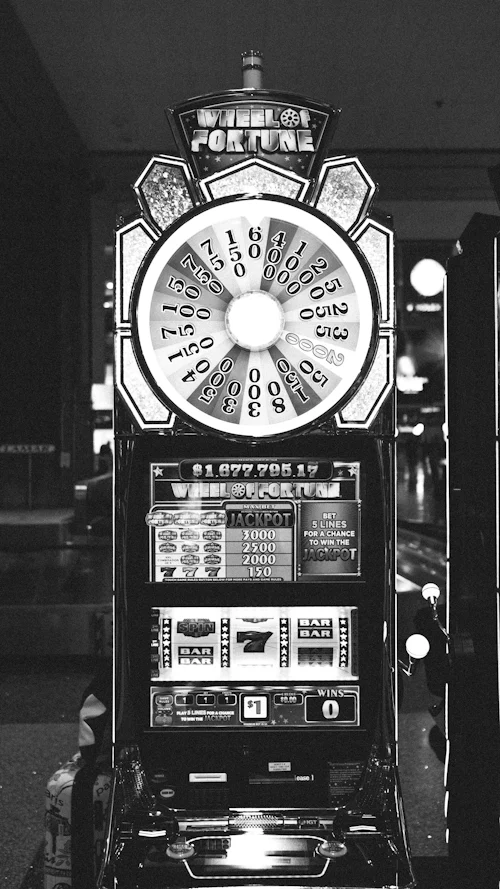
Furthermore, the concept of reward systems is intricately woven into casino design. Slot machines are often engineered to produce near-miss scenarios, where players come tantalizingly close to winning, activating the brain’s reward pathways. This phenomenon fosters a sense of hope and a compulsion to keep playing, encouraging patrons to remain engaged for extended periods. These psychological strategies are instrumental in maximizing the time spent gambling, effectively enhancing the financial contributions of each visitor.
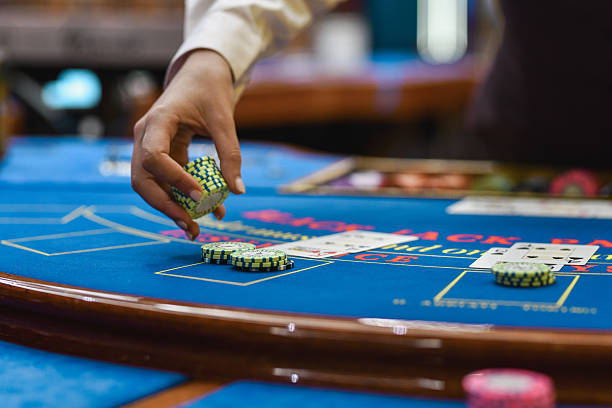
Behavioral psychology also informs the development of loyalty programs and rewards systems within casinos. Many establishments implement tiered structures where frequent visitors earn points or exclusive benefits, nurturing a sense of community among players. This practice reinforces a connection to the casino, encouraging patrons to return for future gaming experiences. Through these design elements, casinos not only sustain engagement but also build long-term relationships with their clientele, contributing to a loyal customer base that frequents their establishments.
The Role of Ambiance and Sound
Sound design is a crucial element in creating the overall ambiance of a casino, significantly affecting the emotional experience of visitors. The auditory atmosphere generated by the sounds of spinning slots, ringing bells, and the lively chatter of players immerses guests in a vibrant setting. This carefully curated soundscape can evoke emotional highs, amplifying the thrill of gaming. Designers strategically utilize sound to maintain an uplifting mood that aligns with the casino’s objectives, ensuring that the environment remains exhilarating and engaging.
Moreover, casinos often delineate distinct zones with varying soundscapes to cater to different types of players. High-stakes areas may feature more subdued and sophisticated audio to cultivate an atmosphere of elegance and exclusivity, while lively, energetic sounds dominate the main gaming floors aimed at casual players. By skillfully adjusting these auditory experiences, designers can enhance player engagement and satisfaction, ultimately driving visitation and revenue.
The subtle integration of familiar music can also evoke feelings of nostalgia, prompting longer stays as patrons connect emotionally with the tunes. When players encounter music that resonates with their memories, it fosters a deeper bond with the environment, encouraging them to remain engaged. The combination of sound and visual stimuli creates a multisensory experience that reinforces the emotional impact of casino design, shaping player behavior and enhancing their overall enjoyment of the gaming experience.
Color Psychology in Gaming Spaces
Color is a fundamental component in influencing mood and behavior, making it a vital aspect of casino design. Different hues can elicit various emotions that align with the desired experiences casino designers aim to create. For example, warm colors like red and gold are often employed to stimulate excitement and a sense of urgency, encouraging players to engage more with the games and spend additional money. Conversely, cooler tones are strategically placed in quieter areas to promote relaxation, allowing patrons to recharge away from the frenetic gaming action.
The application of color psychology extends beyond aesthetics; it serves a functional purpose in guiding player behavior throughout the casino. Certain colors can direct foot traffic and encourage movement toward gaming areas. For instance, a vibrant red carpet may lead guests toward popular slot machines, while softer hues can indicate areas designed for contemplation and relaxation. This thoughtful use of color enhances the overall flow of the casino environment, optimizing player engagement and retention.
In addition, designers are increasingly aware of the implications of color combinations in crafting a harmonious and inviting atmosphere. They experiment with contrasts and complementary palettes to create spaces that feel dynamic yet cohesive. Achieving balance is essential, as a chaotic visual environment can intimidate potential visitors. By leveraging color psychology effectively, casino designers create experiences that maximize player comfort and satisfaction, ultimately driving engagement in gaming activities.
Exploring the Future of Casino Design
As the landscape of casinos evolves, designers are reimagining traditional concepts to craft more engaging environments that resonate with contemporary patrons. The integration of technology is crucial in this transformation, as innovations such as augmented and virtual reality offer immersive gaming experiences that blend physical and digital realms. These advancements do not merely attract tech-savvy individuals but also create new revenue streams for casinos, setting them apart in a competitive industry.
Moreover, sustainability is becoming an increasingly significant consideration in the design of modern casinos. Operators are more aware of their environmental impact and are actively seeking ways to implement eco-friendly practices. This effort includes using sustainable materials in construction, optimizing energy efficiency with smart technologies, and minimizing waste through responsible resource management. Such initiatives not only enhance the casino’s image but also appeal to environmentally-conscious consumers who prioritize sustainability in their entertainment choices.
Looking ahead, there is a growing emphasis on creating experiences that prioritize the well-being of patrons. Many casinos are now designing spaces that foster social interaction and relaxation, recognizing the importance of balancing gaming activities with opportunities for respite. These innovations aim to cultivate a sense of community while enhancing the overall guest experience, ensuring that casinos remain relevant and inviting in an ever-evolving entertainment landscape.